|
Hiding In Plain Sight: Make Your Assets Invisible to Creditors
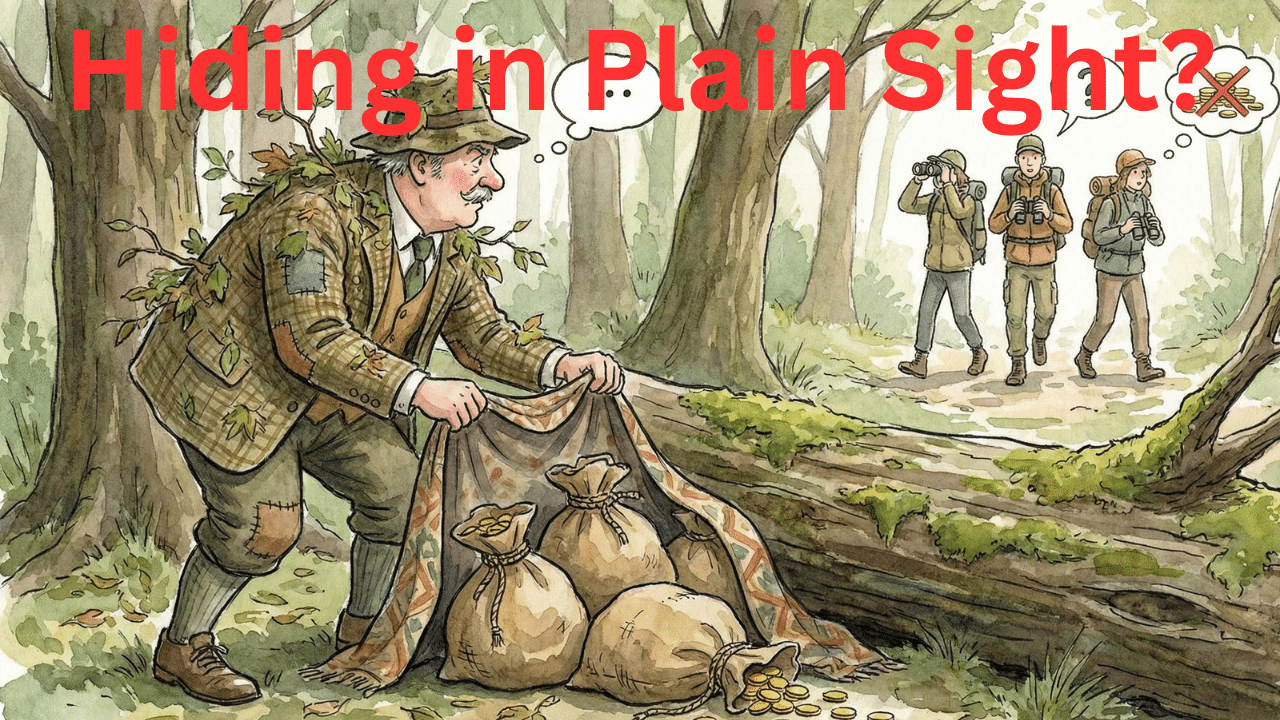
In the modern digital ecosystem, success paints a target on your back. Whether you are a startup founder, a real estate investor, or a medical professional, the wealth you generate attracts attention. Unfortunately, in Texas, that attention often comes with a price: visibility. We live in a “public notice” jurisdiction where transparency is the default setting for business filings and property records.
If a creditor, a litigious neighbor, or a potential plaintiff’s attorney wants to know what you own, very often they don’t need a private investigator. They just need an internet connection.
In the video below, I break down a few of the the specific legal mechanisms high-net-worth individuals use to disappear from public view. This article serves as a companion guide to those strategies, focusing on the three pillars of relative anonymity: Corporate Structure, Real Estate Privacy, and Digital Hygiene.
The most common mistake I see Texas entrepreneurs make is forming a standard “Member-Managed” LLC and listing themselves as the registered agent. When you do this, you are effectively publishing not only your ownership of the company, but also your home address to the world via the Secretary of State’s database. And those filings never go away!
To achieve privacy, we have to move beyond the basic setup. While Texas does not have a statute that explicitly allows for “Anonymous LLCs” like Wyoming or Delaware, we can use a multi-jurisdictional approach to achieve the same result… call us for more details on that one.
But the result is that when someone searches the Texas public records, they see that your company is managed by another company in Wyoming. When they search the Wyoming records, they see a registered agent. The trail goes cold. This structure provides relative anonymity—it won’t hide you from the IRS or the bank, but it creates a significant barrier for casual snoops and predatory litigants.
Real estate is often the Achilles’ heel of an asset protection plan. County Appraisal Districts (CADs) in Texas maintain robust, searchable websites. If you own your home in your personal name, anyone can find your address, your property value, and your tax history in seconds.
For certain public servants—like judges, police officers, and prosecutors—Texas Tax Code Section 25.025 allows for the statutory removal of this information. But for the rest of us, we must rely on legal structures.
The Solution: The Land Trust
A Land Trust (or a business entity) is a powerful tool to keep your name off the public deed. Instead of “Ryan Reiffert” owning the property, the deed lists a trust, such as the “123 Oak Street Trust.”
- The Trustee: To work effectively, the public trustee listed on the deed should be a nominee—a trusted friend, a private trust company, or a professional—not you.
- The Beneficiary: You retain full control and ownership as the beneficiary, but this information is contained in a private trust agreement that is never filed with the county.
By breaking the link between your name and the property address in the public index, you reduce the likelihood of being targeted by “deep pocket” lawsuits.
You can spend thousands on legal restructuring, but you can undo it all with a single Instagram post. In the age of Open Source Intelligence (OSINT), creditors and plaintiff attorneys routinely scour social media to find assets.
If you claim to be “judgment proof” in court but post photos of a new boat or a luxury vacation on Facebook, you have handed the opposition the evidence they need to pierce your corporate veil or prove you have assets to seize.
Practical Tips for Digital Privacy:
- Stop “Flexing”: Ostentatious displays of wealth are magnets for litigation.
- Scrub the Metadata: Ensure your photos do not contain geotags that reveal your location or home address.
- Separate Accounts: Maintain a strict wall between your personal identity and your business brand.
Privacy is not about evasion; it is about risk management. It is about ensuring that a disagreement doesn’t turn into harassment at your front door. By utilizing the Wyoming/Texas LLC structure, Land Trusts, disciplined social media habits, and more you can operate your business without exposing your personal life to the public eye.
For a deeper dive into these topics, watch the full video below.
)